Hydroponic growers often hear about rockwool—but understanding how to use it effectively is another story.
From seed starting to full crop development, visual guidance makes a huge difference. Instead of relying only on written instructions, watching real growing processes can help you learn faster and avoid common mistakes.
In this guide, we combine practical knowledge with real videos to show how rockwool performs in actual growing environments.
Want to learn faster? Scroll down to watch real growing videos in action.
What Is Rockwool Grow Media?
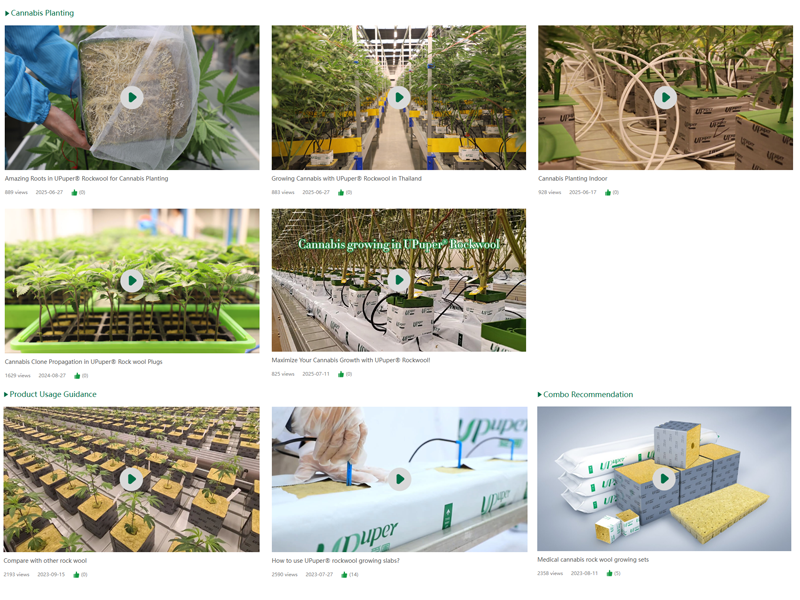
Rockwool grow media is a man-made substrate produced by melting natural basalt rock and spinning it into fine fibers. These fibers are then formed into cubes, slabs, or blocks used in hydroponic systems.
In hydroponics, rockwool is widely used because it provides an ideal balance of water retention and air porosity—two critical factors for healthy root development.
Key Benefits:
Excellent moisture retention
High oxygen availability for roots
Uniform structure for consistent growth
Sterile and free from pathogens
Because of these properties, rockwool grow media has become a standard choice for modern soilless cultivation.
Why Growers Prefer Rockwool for Hydroponics
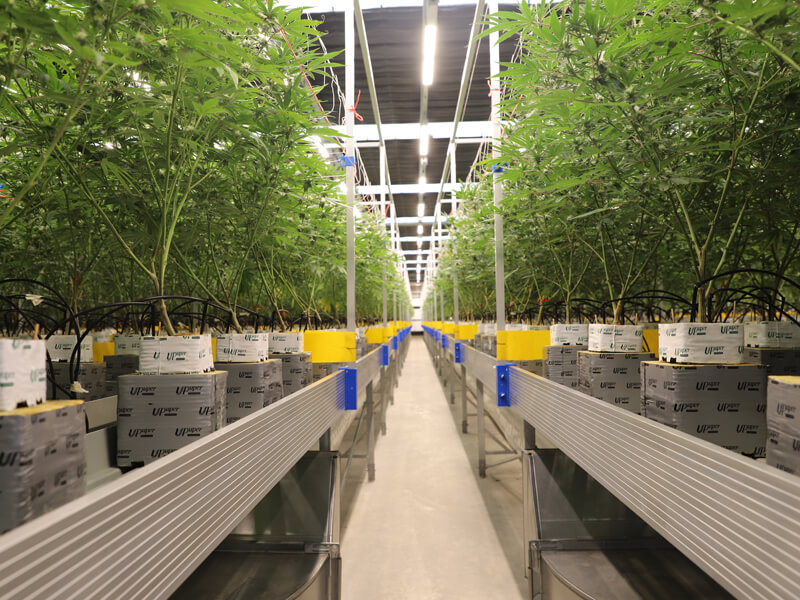
Professional growers choose rockwool for hydroponics because it delivers predictable and repeatable results.
1. Water Retention
Rockwool holds water efficiently while still allowing excess moisture to drain, reducing the risk of drought stress.
2. Air Porosity
The fiber structure ensures roots always have access to oxygen, preventing root suffocation.
3. Consistent Root Zone
Unlike soil, rockwool provides a uniform environment, allowing growers to precisely control irrigation and nutrients.
4. Clean & Sterile
Rockwool is free from weeds, pests, and diseases, making it ideal for controlled environments.
These advantages make rockwool one of the most reliable grow media options available today.
Common Applications of Rockwool in Growing
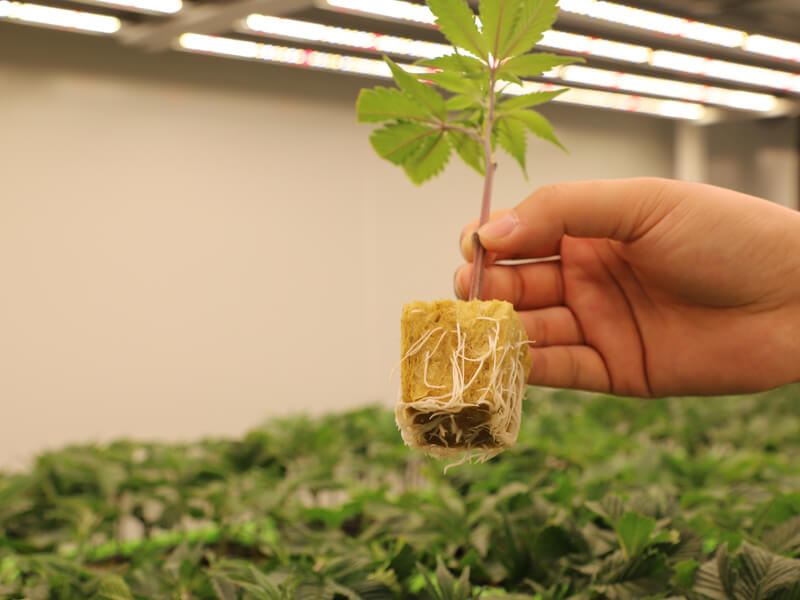
Rockwool cubes are perfect for germination. They provide:
Seeds are placed directly into pre-soaked cubes, where they quickly establish healthy roots.
Transplanting & Root Development
Once seedlings are established, they are transferred from small cubes into larger blocks or slabs.
This allows:
Seamless root expansion
Minimal transplant shock
Faster vegetative growth
Roots easily penetrate the rockwool structure, creating a strong and uniform root system.
Commercial Greenhouse Growing
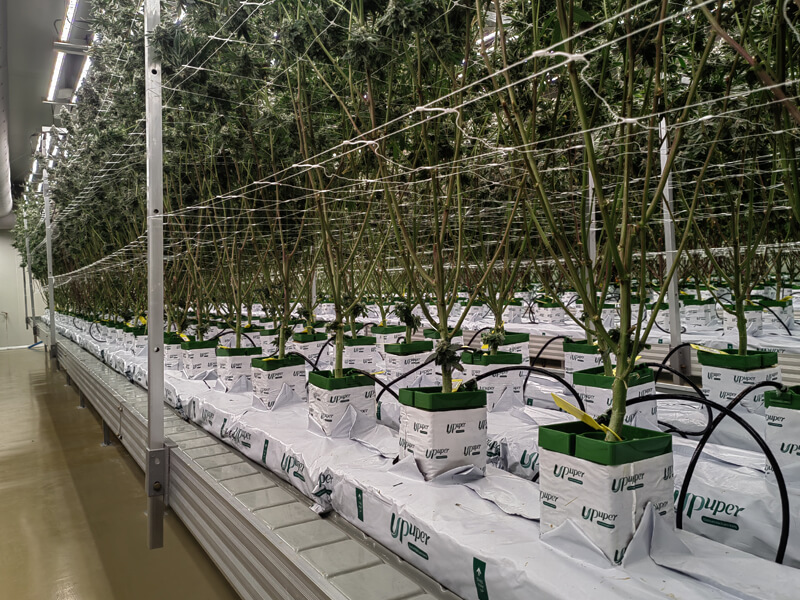
In large-scale greenhouse production, rockwool slabs are used for crops such as:
Tomatoes
Cucumbers
Lettuce
Strawberries
Growers benefit from:
Explore more growing videos here:
UPuper Grow Video Page
(Strongly recommended: add internal link to your video hub page here)
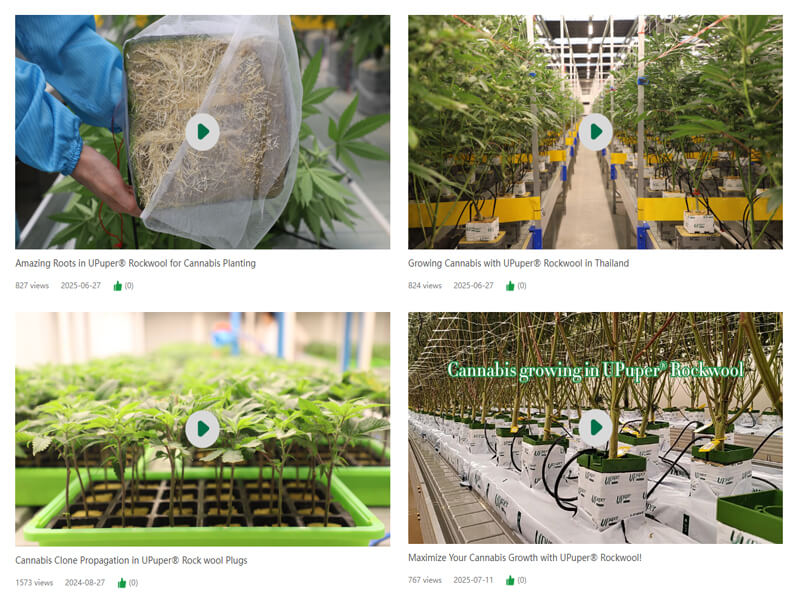
Why Video Learning Is Essential for Growers
Learning hydroponics from text alone can be limiting. Video-based learning offers clear advantages:
Faster Learning
Visual demonstrations help you understand techniques instantly.
Reduced Mistakes
You can see exactly how professionals handle irrigation, transplanting, and crop management.
Real-World Validation
Videos show actual growing conditions—not theoretical concepts.
👉 That’s why hydroponic growing videos and rockwool tutorials are becoming essential tools for modern growers.
Tips for Using Rockwool Successfully
To get the best results, follow these practical tips:
1. Pre-Soak with pH Adjustment
Always soak rockwool in water adjusted to pH 5.5–6.0 before use.
2. Proper Irrigation
Avoid both underwatering and overwatering. Maintain balanced moisture levels.
3. Avoid Overwatering
Too much water reduces oxygen availability and can damage roots.
4. Maintain EC Balance
Monitor nutrient concentration carefully to prevent salt buildup.
👉 Mastering these basics will significantly improve your growing results.
UPuper grow media is designed for professional growers who demand consistency and performance.
Key Advantages:
See our products in action in real growing environments.
Visit the UPuper Grow Video Page to watch real applications.
FAQ
1. How long does rockwool last?
Rockwool can last throughout an entire growing cycle and maintain its structure without breaking down.
2. Do you need to soak rockwool before use?
Yes, pre-soaking is essential to adjust pH and ensure proper moisture levels.
3. Is rockwool safe for plants?
Yes, rockwool is inert and safe when used correctly in hydroponic systems.
4. How often should you water rockwool?
Watering frequency depends on plant stage and environment, but consistent moisture is key.
5. Can rockwool be reused?
It can be reused in some cases, but for commercial growing, fresh media is recommended for best results.






 Return