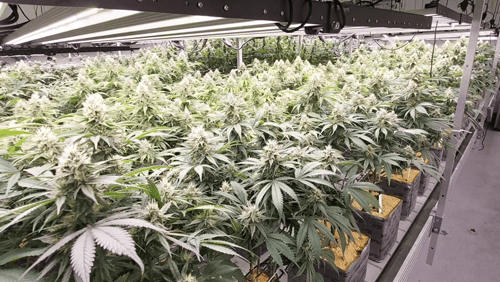
GMP-Friendly Cannabis Cultivation Using rock wool at Smart Farm, Thailand Views: 50
As the global cannabis industry moves toward compliance, standardization, and scalability, GMP (Good Manufacturing Practice) has become a critical requirement for medical and high-end cannabis cultivation projects. In this context, selecting a stable, safe, and controllable growing substrate is essential for indoor soilless cultivation systems.
This case study presents the real-world application of rock wool substrate at Smart Farm in Thailand, highlighting its value for GMP-compliant cannabis cultivation.
Client Overview | Smart Farm (Thailand)
Smart Farm is a medium-sized cannabis cultivation company based in Thailand, specializing in advanced indoor soilless cultivation techniques. Their cultivation team consists of experienced European and American technical personnel, ensuring professional and efficient management of the growing environment and nutrient programs.
Thanks to advanced technology and stable product quality, Smart Farm has earned a strong reputation in the local cannabis market.
For cultivation, Smart Farm uses rock wool substrate to grow cannabis plants. rock wool allows precise control over water and nutrient delivery, improving irrigation efficiency and crop uniformity. UPuper rock wool is also tested by European and American heavy metal testing agencies, providing essential support for clients seeking GMP certification.
Project Overview | From Greenhouse Construction to Stable Production
From the beginning of greenhouse construction, Smart Farm established a deep collaboration with us. We provide high-quality rock wool substrates, covering seedling, transplanting, and mid-to-late growth stages.
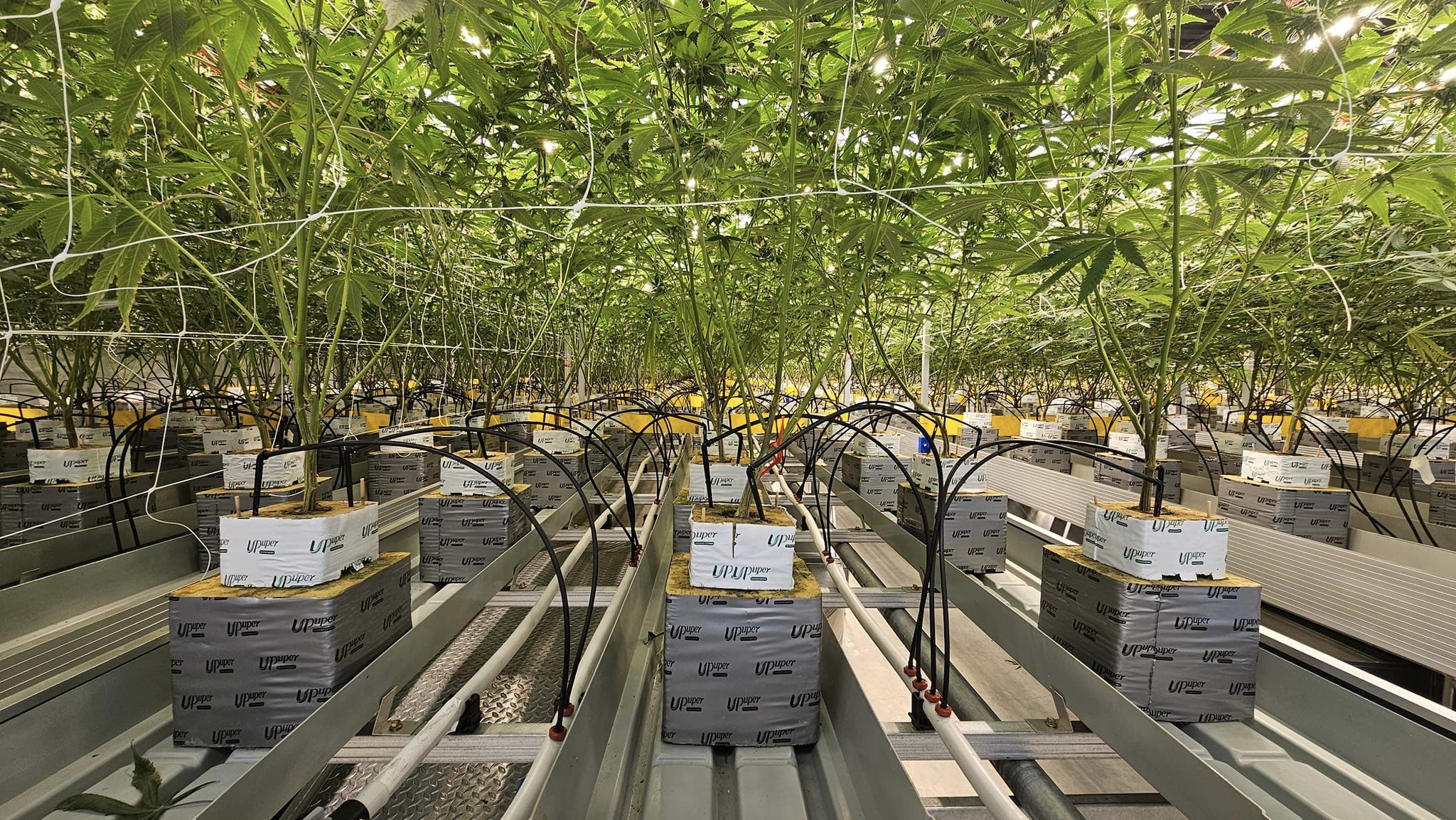
Smart Farm applies the CS 75 propagation trays + CB 100L grow blocks combination:
CS 75 propagation trays: Promote early root establishment
CB 100L grow blocks: Provide stable and ample root space for mid-to-late growth
This combination allows Smart Farm to precisely control water, nutrients, and root zone conditions, optimizing cannabis growth and ensuring healthy roots, uniform growth, and stable high yields.
Management at Smart Farm notes that this rock wool-based soilless cultivation method not only improves product quality but also simplifies daily management, making the operation more efficient, repeatable, and sustainable.
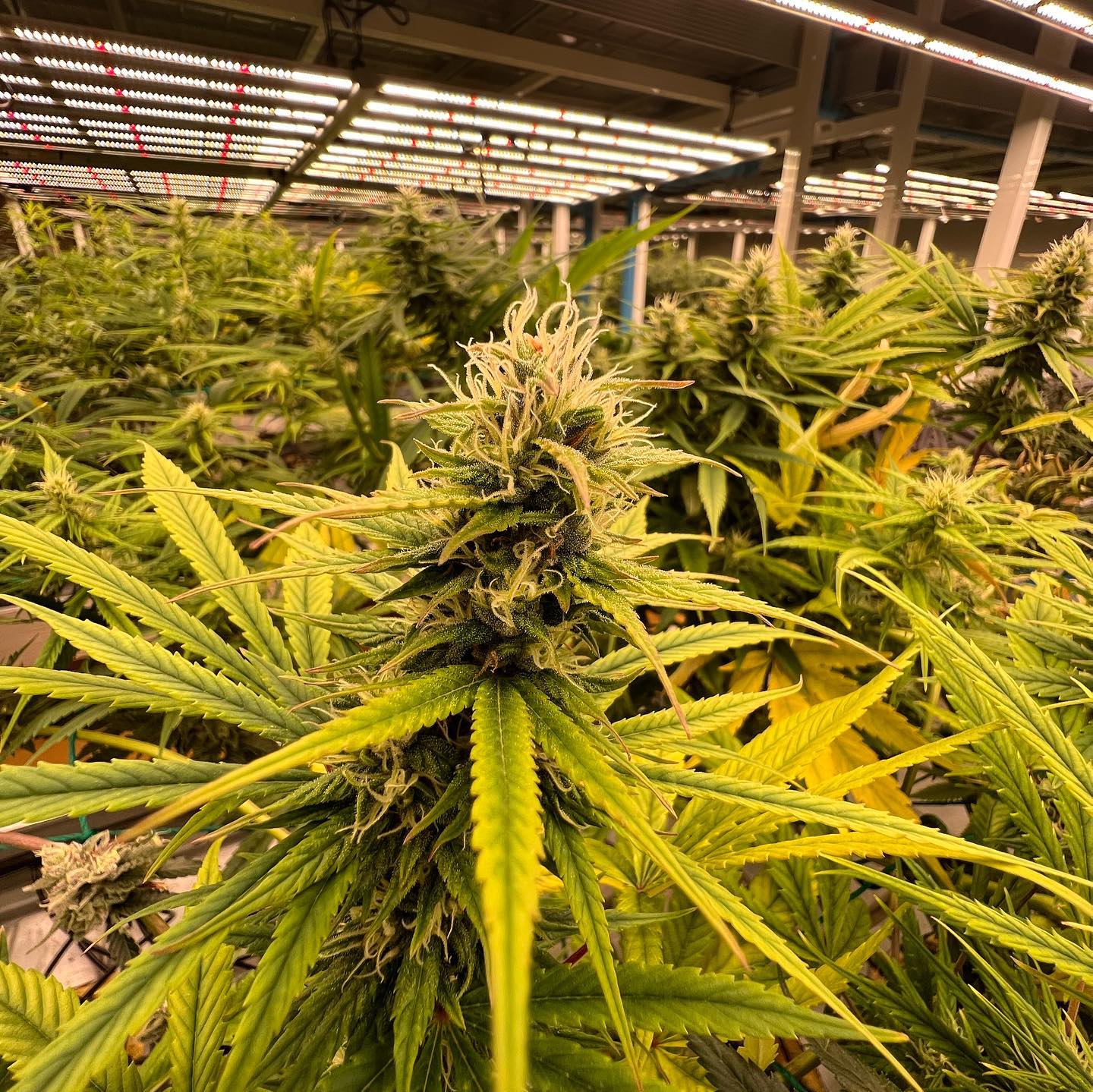
Why rock wool Is an Ideal Substrate for GMP Compliance
GMP is critical for the safety and quality of medical cannabis production. rock wool’s unique properties directly meet GMP requirements, making it an ideal substrate for compliant cultivators.
Achieving Sterility and Contamination Control
GMP guidelines aim to minimize production risks that cannot be eliminated by final product testing, primarily preventing contamination. Common risks in cannabis cultivation include:
Microbial contaminants: harmful bacteria (E. coli, Salmonella), molds, viruses
Heavy metals: elements like lead or mercury absorbed from the growing medium
Pesticides and chemical residues: from non-compliant cultivation practices
rock wool provides an effective contamination control solution. Made from basalt at extremely high temperatures, it is sterile from the start. Its inert nature gives it advantages over organic substrates.
Substrate | Sterility / Microbial Growth | Reason / Impact |
rock wool | Clean and sterile | High-temperature production ensures hygiene and consistent quality |
Coconut fiber | Potential pathogens | Often requires washing to remove unwanted minerals and pathogens |
Using sterile substrates like rock wool creates a clean foundation, significantly reducing microbial contamination risks in the root zone.
Ensuring Consistency for Standardized Production
GMP requires batch-to-batch consistency to ensure patients receive predictable, reliable effects. rock wool’s uniform structure is key to achieving this:
• Precisely controls water and nutrient delivery
• Directly affects final flower quality, including cannabinoid and terpene content
• Unlike degradable or variable substrates, rock wool maintains its structure, ensuring each plant experiences the same root zone conditions
This level of control is essential for standardized indoor cannabis cultivation.
Full Traceability of Inputs
Traceability is a cornerstone of GMP. Cultivators must document all inputs for every crop batch. rock wool’s inert composition greatly simplifies this process:
• Contains no nutrients itself; a “blank canvas” substrate
• Every nutrient, supplement, and pH adjuster can be carefully added and recorded
• Creates a complete input record from propagation to harvest, meeting GMP requirements for rigorous record-keeping and batch traceability
Application Results | Efficiency, Compliance, and Market Competitiveness
rock wool substrate has enabled Smart Farm to achieve significant improvements:
• Precise water and nutrient management, improving irrigation efficiency
• Enhanced crop uniformity, supporting scalable production
• GMP compliance support, facilitating certification
• Simplified management processes, increasing operational efficiency
rock wool not only improved Smart Farm’s cultivation efficiency but also strengthened the market competitiveness of their cannabis products.
Conclusion | Continuous Collaboration and Technology Advancement
Over years of collaboration, we have continuously optimized rock wool products and application plans based on Smart Farm’s feedback to better meet cultivation needs and market demands.
We are proud to work with such a professional, international cultivation team, jointly advancing soilless and standardized cannabis production technologies. We look forward to deepening our collaboration, providing stable, reliable, and internationally compliant rock wool substrates and technical support.
Frequently Asked Questions | FAQ
1. Why is rock wool more suitable than soil for GMP compliance?
rock wool is sterile and inert, preventing contaminants such as heavy metals and pathogens found in soil from entering the plants. It allows cultivators to fully control nutrient inputs. This level of control and cleanliness directly meets GMP requirements for product consistency and safety, which is difficult to achieve with variable soil compositions.
2. How can growers sustainably dispose of used rock wool?
Growers can explore local recycling solutions. Some companies shred used rock wool for use in brick production or composting. This reduces landfill waste and supports a circular economy, addressing a key operational challenge for farms seeking sustainable practices.
3. What is the most critical step in preparing rock wool?
pH adjustment is the most critical step. Growers must soak new rock wool in a solution adjusted to pH 5.5–6.5 before use. This neutralizes the natural alkalinity of the rock wool, ensuring plants receive optimal nutrient availability from the start of their lifecycle.
4. How does automation simplify GMP compliance?
Automation creates immutable digital batch records. Smart farm software automatically logs environmental data and irrigation/fertilization events, providing complete and accurate documentation required for GMP audits and traceability, effectively eliminating human error in critical recordkeeping.






 Return